BLOG
How to Check Chocolate Bar Ingredients and Authenticity
How to Check Chocolate Bar Ingredients and Authenticity
How to Check Chocolate Bar Ingredients and Authenticity, Choosing a chocolate bar involves more than selecting a flavor or attractive package. Understanding the ingredients, checking the manufacturer’s details, and verifying product authenticity can help shoppers make informed decisions. This is especially important when shopping online or researching specialty chocolate products advertised under recognizable brand names.
Whether you prefer milk chocolate, cookies and cream, salted caramel, or fruit-inspired varieties, knowing how to read product labels can help you identify allergens, compare products, and avoid misleading claims.
1. Read the Ingredient List Carefully How to Check Chocolate Bar Ingredients and Authenticity
The ingredient list is one of the most useful sources of information on a chocolate bar’s packaging. Ingredients are generally listed in descending order by weight, subject to the labeling rules that apply in the country where the product is sold.
Common chocolate ingredients include:
- Cocoa ingredients: Cocoa mass, cocoa butter, or cocoa powder, depending on the product.
- Sugar: Used to provide sweetness.
- Milk ingredients: Common in milk chocolate and some creamy fillings.
- Emulsifiers: Ingredients such as lecithins that can help maintain a consistent texture.
- Flavorings: May provide vanilla, caramel, fruit, coffee, or other flavor notes.
- Additional ingredients: Nuts, biscuit pieces, fruit preparations, or fillings, depending on the recipe.
Do not assume that a flavor name confirms the presence of a particular ingredient. For example, a strawberry-flavored bar may use flavorings rather than actual strawberries. Check the full list for confirmation.
2. Check Allergen Information How to Check Chocolate Bar Ingredients and Authenticity
Food allergies make label checking particularly important. Chocolate products may contain or come into contact with common allergens, including milk, peanuts, tree nuts, soy, and wheat.
Before purchasing a chocolate bar:
- Read the ingredient list.
- Look for a separate allergen declaration.
- Check precautionary statements such as warnings about possible cross-contact.
- Contact the manufacturer if important information is unclear.
Do not rely on the product name, flavor, or appearance to determine whether it is safe for someone with a food allergy. Labeling requirements differ between countries, so review the information required in your location.
3. Verify the Manufacturer and Brand How to Check Chocolate Bar Ingredients and Authenticity
A familiar name on a package does not automatically prove that the product is genuine or officially licensed. Some online listings use names, flavor references, or packaging styles that resemble established confectionery brands.
To check a product’s identity:
- Find the manufacturer’s or responsible business’s name.
- Look for official contact information.
- Compare the product with information published on the brand’s official website.
- Check whether the brand identifies the product as part of its authorized range.
- Be cautious of listings that provide no clear manufacturer details.
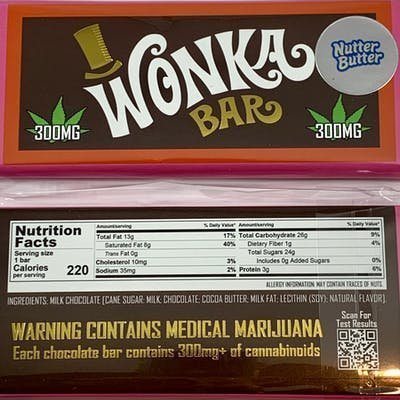
For products advertised as Wonka Chocolate Bars, distinguish official Wonka confectionery from third-party products using similar names. The name alone does not establish an official relationship.
4. Examine the Packaging
Packaging can provide useful clues about a product’s identity and condition. Before purchasing, look for:
- A clearly printed product name and net weight.
- A complete ingredient list and allergen information.
- A batch or lot number where applicable.
- An expiration date or best-before date, as required.
- Storage instructions.
- Manufacturer or distributor information.
- Intact seals and packaging without signs of tampering.
Poor printing, spelling errors, inconsistent product information, or missing details may warrant further investigation. However, packaging appearance alone cannot definitively prove that a product is authentic or counterfeit.
5. Check Batch Numbers and Dates
Batch or lot numbers help manufacturers identify products made during a particular production run. Expiration and best-before dates also provide useful information about freshness and shelf life.
When shopping online, check that the product has adequate shelf life remaining and that the seller can provide relevant product information. If a batch number appears suspicious or does not match information supplied by the manufacturer, contact the manufacturer directly.
Never consume a product if the packaging appears tampered with, the label is missing critical information, or its condition raises safety concerns.
6. Research the Seller Before Ordering Online
Online product listings can make it difficult to verify what you are buying. Before placing an order, review the seller’s business information, product descriptions, customer-service policies, and return terms.
Useful checks include:
- Confirming that the website provides verifiable business contact details.
- Comparing the listing with the manufacturer’s official product information.
- Reading independent customer feedback critically.
- Checking whether photographs and descriptions are consistent across the listing.
- Avoiding sellers who make extraordinary claims without credible evidence.
A professional-looking website or positive review does not, by itself, establish authenticity. Use several independent checks rather than relying on one signal.
7. Be Careful With Unusual Product Claims
Some specialty chocolate listings make claims about ingredients, potency, health benefits, or effects. Such claims should not be accepted without reliable evidence.
If a bar is advertised as infused or psychoactive, do not assume it contains ordinary confectionery ingredients. Check the declared active substances, relevant warnings, and applicable local laws. Where appropriate, look for credible independent laboratory testing that matches the specific product and batch.
Avoid products with undisclosed ingredients, missing manufacturer information, or unsupported claims about safety or effects. Keep products containing active substances securely away from children and pets.
8. Understand Chocolate Quality and Storage
A chocolate bar’s appearance and texture can change with temperature and storage conditions. Heat may soften chocolate, while temperature fluctuations can contribute to surface changes known as fat bloom or sugar bloom.
These changes do not automatically mean a product is counterfeit, but they can affect appearance and texture. Follow the packaging’s storage instructions and contact the manufacturer if the product has an unusual odor, damaged packaging, visible contamination, or other signs of spoilage.
Frequently Asked Questions
How can I tell if a chocolate bar is authentic?
Check the manufacturer’s information, official product listings, ingredient label, packaging, and batch details. If uncertainty remains, contact the brand or manufacturer directly.
Does a familiar flavor name prove a product is genuine?
No. A flavor name describes a taste concept or marketing description; it does not prove that a product is officially affiliated with a particular brand.
Why should I check the ingredient list?
It helps you understand the product’s composition, identify potential allergens, and compare similar products.
Are packaging errors proof of a counterfeit product?
Not necessarily. Errors can be warning signs, but they are not conclusive proof. Verify the product with the manufacturer.
What should I do if a chocolate bar seems suspicious?
Do not consume it if you suspect tampering or unsafe ingredients. Keep the packaging and contact the seller or manufacturer for clarification. If you believe a product may pose a health risk, consider reporting it to the relevant food-safety authority.